About
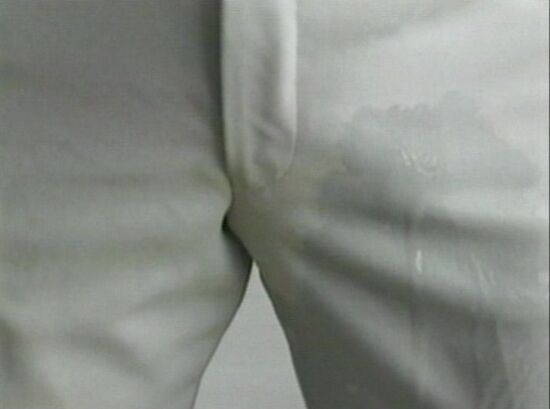
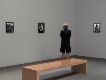
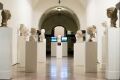
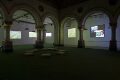
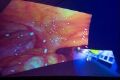
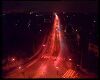
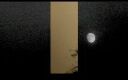
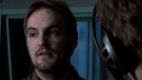
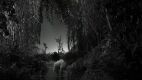
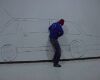
In this experimental film and installation a megalomaniac London cityscape features not just as a striking backdrop for the group of adolescents who populate the film, but also as a theme in itself. It is the main subject in a cinematic work that describes an urban reality marked by migration and change.
As the characters pass through seemingly makeshift architecture, empty lots, stations, stores, a glass-fronted gym and the new construction site for the 2012 Olympic Games, it becomes obvious that late capitalist urban development – the movements of people and money, and the architectural manifestations of wealth within the urban fabric – is Åsdam’s main character. The city’s economic, political and social pressures are mirrored in the characters’ movements and speech. The female protagonist, O, tries to find her way through the maze of disrupted urban space, but her figure remains enigmatic. Her dialogues with the other characters are erratic at best and «painfully embarrassing to listen to from the realist perspective of ‘good dialogue’,» says art historian Ina Blom. At times, these young people seem to lose their grip on language altogether and meaning is sidelined. The characters’ fragmented speech makes palpable an acutely disconnected world and its psychological effects.
- Creation date:
- 2010
- Object type:
- Video installation
- Materials and techniques:
- Videoinstallasjon
- Material:
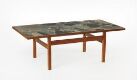
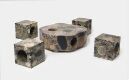
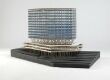
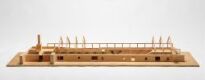
- Wood, Video, Betong, Metall
- Dimensions:
- Duration: 0
- Keywords:
- Visual art
- Classification:
- 532 - Bildende kunst
- Inventory no.:
- NMK.2011.0235
- Cataloguing level:
- Single object
- Acquisition:
- Kjøpt 2011
- Owner and collection:
- Nasjonalmuseet for kunst, arkitektur og design, The Fine Art Collections
- Copyright:
- © Åsdam, Knut/BONO
Nasjonalmuseet's collection catalogue is a living resource of information gathered since the 1830's. Some records may contain language or ideas that today could be perceived as outdated, offensive or discriminatory with regard to for instance gender, sexuality, ethnicity or disability, and that may be at odds with the museum's values regarding equality and diversity.
Do you have suggestions for how this record can be improved? We would like to hear from you!
If you would like more information about specific objects in the collection or about objects that haven't been published online, please contact the museum. You can read more about how we work with the collection and our cataloguing practice here.