608 Temp 1 og 2
Hanna Andersen Butenschøn
Asta Nørregaard
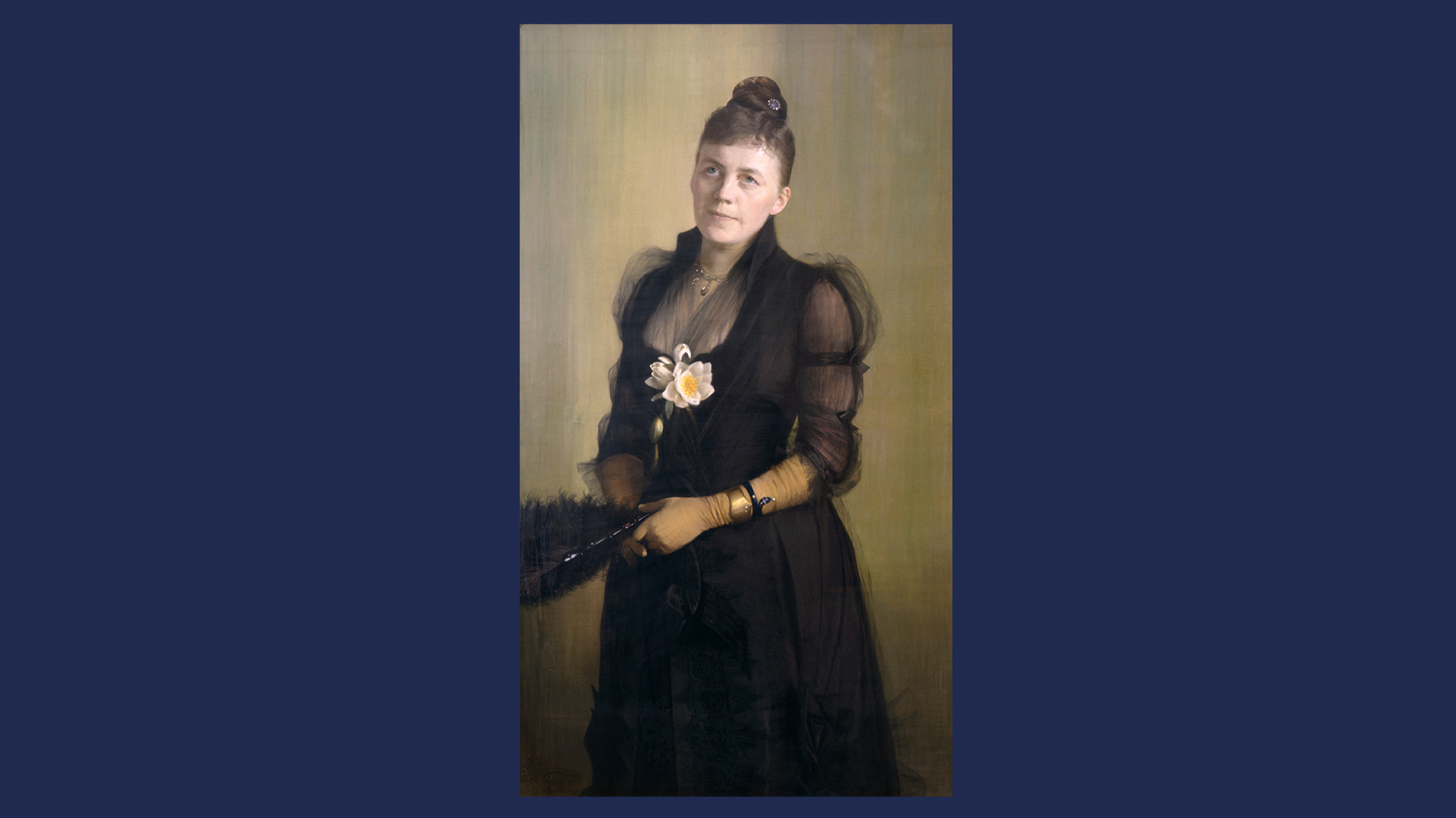
Hanna Andresen Butenschøn was an author, who wrote books, plays, short stories, essays and literary studies under the pseudonym Helene Dickmar.
She was particularly concerned with society's expectations of women's place and role at the time, especially in the bourgeois marriage market.
When she was 20, she married the banker Nils August Andresen Butenschøn. They had three sons, and their home at Skøyen Hovedgård manor house became a meeting place for artists and writers.
She continued to write under her pseudonym during this time.
She wrote about women, and their opportunities and expectations of women's roles in society.
Some of the women she writes about had artistic talents that they weren’t given the opportunity or permission to develop.
For example, in the book Psyche. En Kvindes Kjærligheds Historie – or, A woman’s love story in English – from 1906; the main character's husband refuses to let her cultivate her singing talent, and a debut concert ends in failure. When she discovers that he has a child in Vienna, she leaves him, takes back her maiden name and becomes a singing teacher.
The novel describes a new and modern era.
Andresen Butenschøn was also involved in Henrik Ibsen's portrayal of female roles and contributed to the literary reception of his works.
We know that she and Nørregaard exchanged letters. And we also know that Andresen Butenschøn often sent her texts to Nørregaard to get her opinions.
In this artwork, the use of pastels brings out fine nuances in the depiction of Andresen Butenschøn's dress – the various textiles, the light fabric – not to mention, the floral decorations and jewellery.
Nørregaard's portrait of Hanna was given a central place in the magnificent dining room at Skøyen Manor.