Hannah Ryggen’s works convey political ideas in an original, thought-provoking way and have recently received much international attention. Ryggen broke through as an artist in the 1940s, and she was seen as one of the leading Norwegian artists of her time. She addressed such themes as war, injustice, and intimidation. But even though her works refer to contemporary issues and events, her art remains universal and ever current.
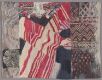
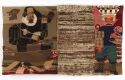
Created four years after the Second World War ended, The Use of Hands tackles the horrors of warfare, where young men use their hands to kill instead of putting them to good use. The tapestry depicts a woman leading a soldier through a sea of people, horses, and bullets. The woman’s blue figure stands clearly out from the reddish background, almost seeming to hover over the tapestry’s surface.
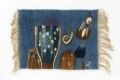
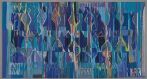
Ryggen took courses in painting for several years, but in her chosen medium of tapestry she was more or less self-taught. She wove entirely at will, without any pattern, and she did everything herself, whether spinning, dying, or weaving the yarn. Ryggen wanted to take part in the entire process, and she spent a great deal of time on each work.
In the years both before and after the Second World War, there were many artists who created overtly political works. What separates Ryggen from similar political artists was that she used tapestry to convey her worldview. She was a pioneer in this field, and in 1953 she became the first textile artist to be acquired by the National Gallery.
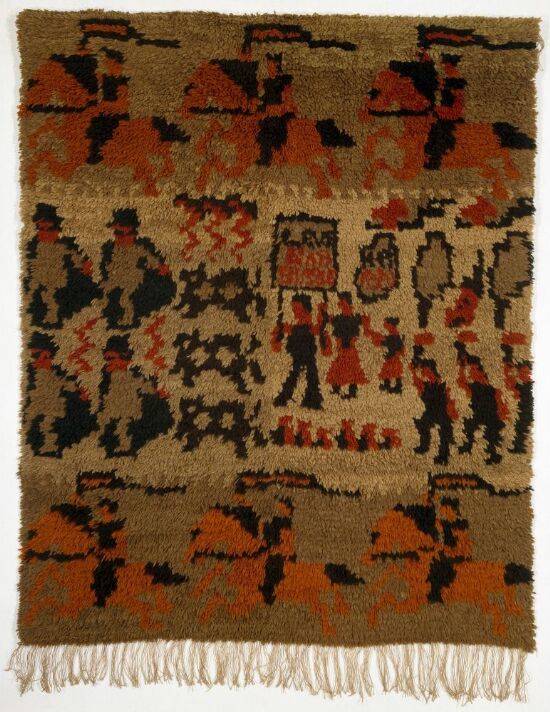 Første mai-togHannah Ryggen1935
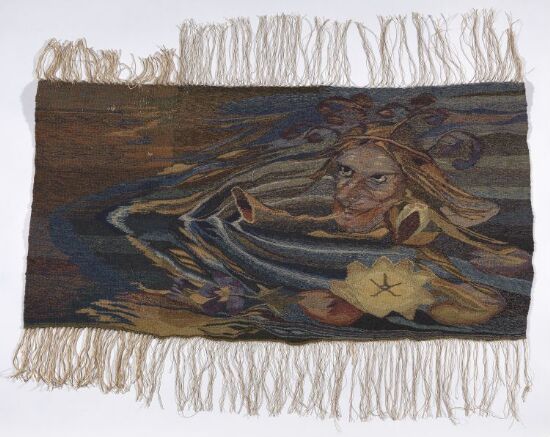 NøkkenHannah Ryggen1923
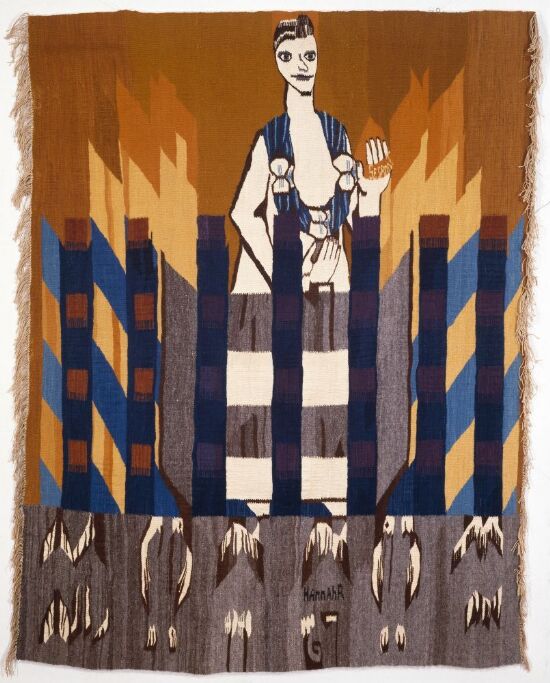 GesandtHannah Ryggen1967
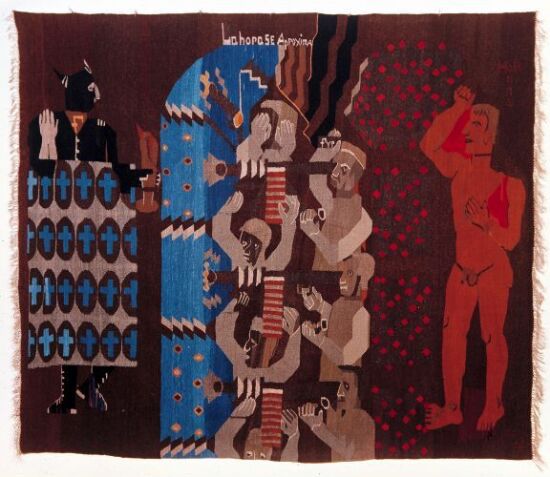 SpaniaHannah Ryggen1938
 DaybreakHannah Ryggen1936
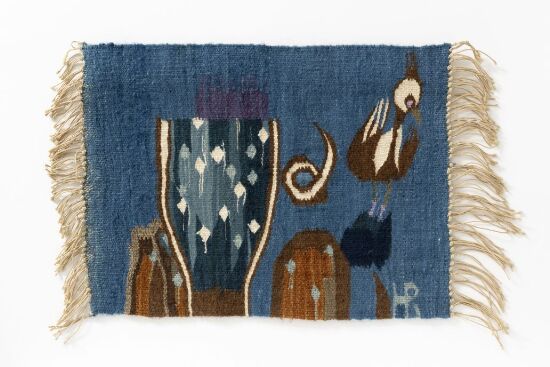 The Lapwing at ØrlandetHannah Ryggen1950-tallet
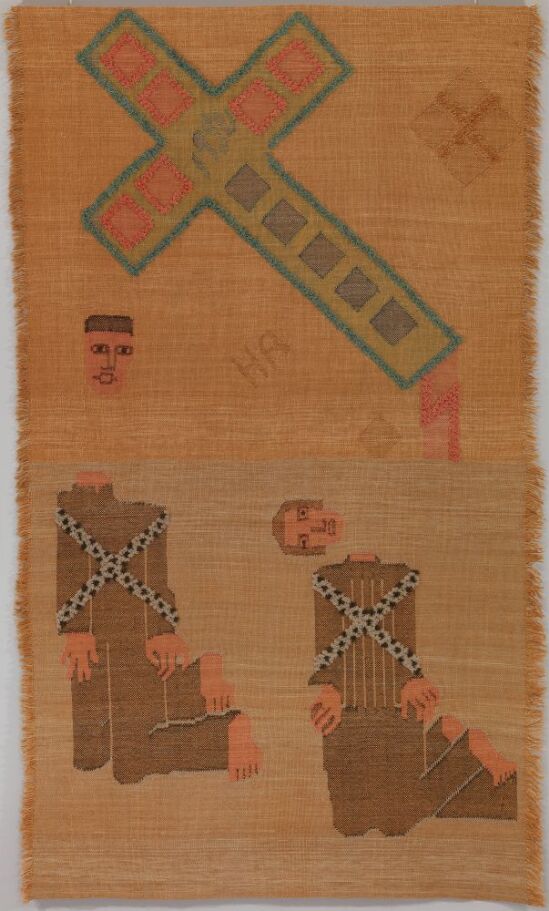
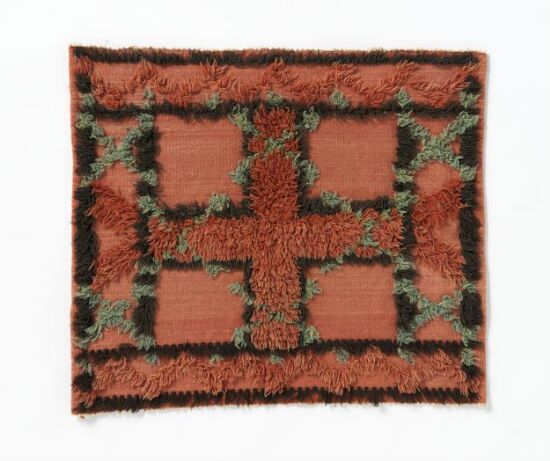 At the Country Where Kin Olav Painted the Cross with His BloodHannah Ryggen1930-1933
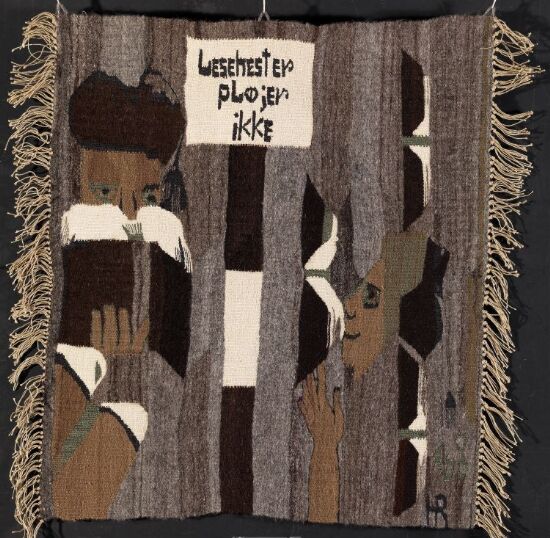 Lesehester pløyer ikkeHannah Ryggen1968
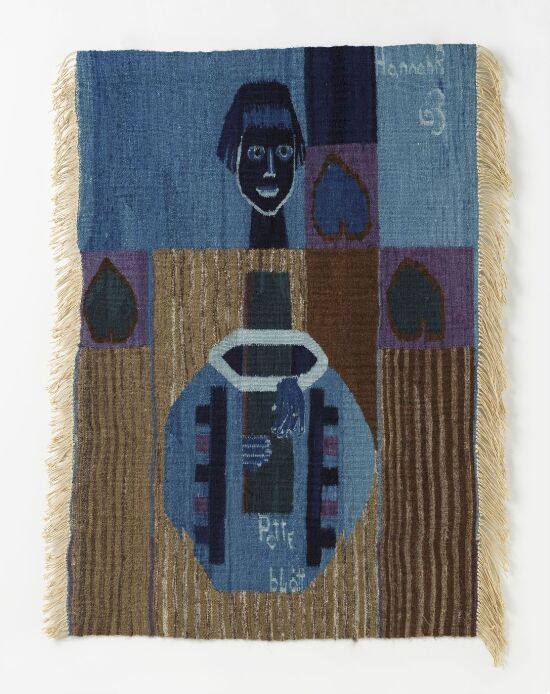 Traditional blueHannah Ryggen1963
 "Det långa hjärtat"Hannah RyggenAntakelig 1960-tallet
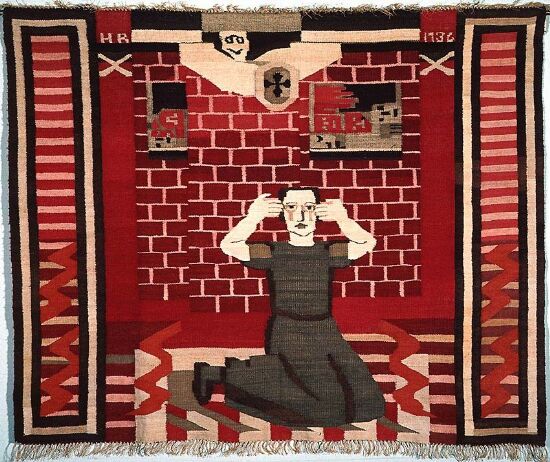 HorrorHannah Ryggen1936
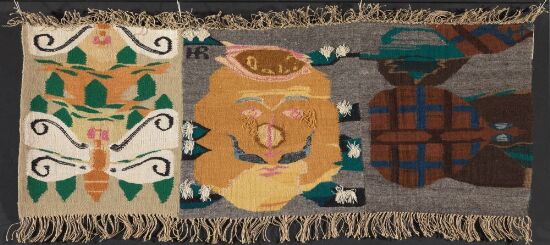 Salvador DaliHannah RyggenAntakelig 1960-tallet