About
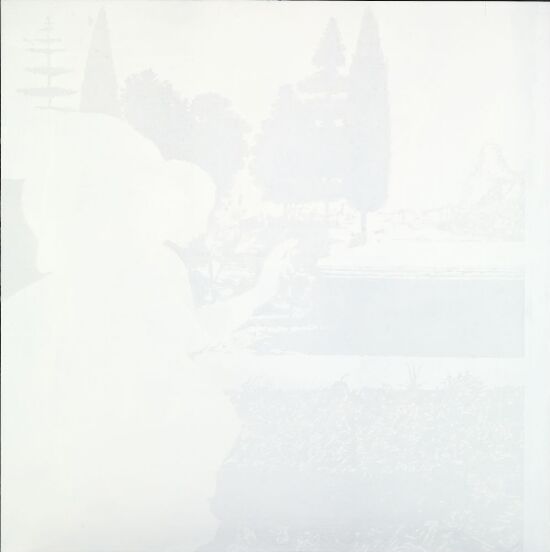
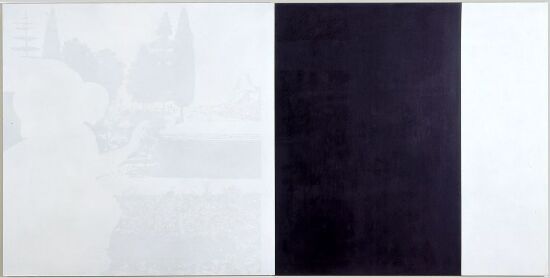
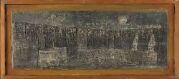
Mari Slaattelid is known for investigating the formal aspects of art, for example by appropriating or reinterpreting elements from art history. Inland Area belongs to a wider group of works that are based on La Virtù e la Nobiltà vincono l’Ignoranza (Virtue and Nobility Putting Ignorance to Flight), a trompe l’oeil ceiling painting by the Italian rococo artist Giambattista Tiepolo (1696–1770). The painting’s bright, hazy tones, distinctive symmetrical outline, and timeless story of the battle between good and evil are reworked in Slaattelid’s version.
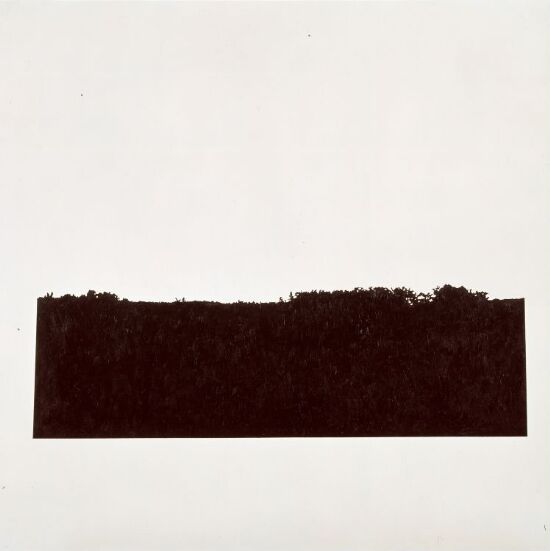
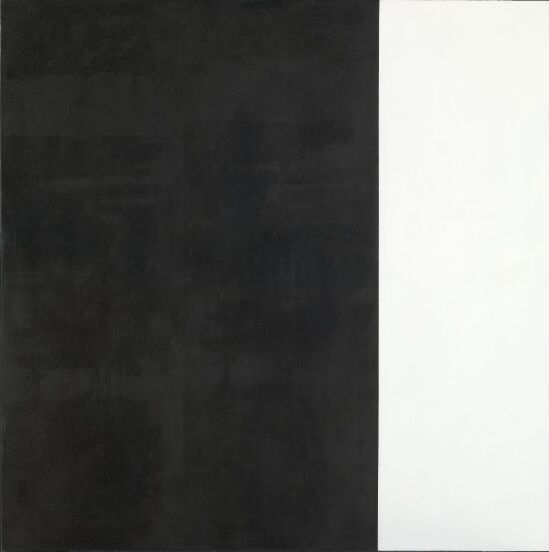
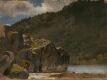
Inland area consists of a series of paintings, typified by their atmospheric and almost impenetrable imagery, like woodlands and lakes shrouded in mist. We see no open horizon, no dawn. We are inland, as the title indicates. But the illusion is disrupted by the varied formats and asymmetrical mounting of the paintings. Things seem to fall into place in the final group of pictures, but the reflections along the horizon remain dissonant.
White, cloudlike shapes glide across the dark sky, finding their black counterparts in the water’s reflection. We recognize the outline of Tiepolo’s painting. In that manner a stylized element flows into nature, underscoring the contradictory forces at play here: the animated against the natural, the symmetrical against the asymmetrical, celestial infinity against profound darkness.
During her career, Slaattelid has stood out as one of Norway’s most innovative artists, and in 2000 she received the prestigious Carnegie Art Award.
- Creation date:
- 2013
- Other titles:
- Innland (NOR)
- Object type:
- Painting
- Materials and techniques:
- Olje på aluminium
- Material:
- Aluminium
- Dimensions:
- Depth: 0.2 cm
- Height: 27.5 cm
- Width: 35 cm
- Keywords:
- Visual art
- Classification:
- 532 - Bildende kunst
Nasjonalmuseet's collection catalogue is a living resource of information gathered since the 1830's. Some records may contain language or ideas that today could be perceived as outdated, offensive or discriminatory with regard to for instance gender, sexuality, ethnicity or disability, and that may be at odds with the museum's values regarding equality and diversity.
Do you have suggestions for how this record can be improved? We would like to hear from you!
If you would like more information about specific objects in the collection or about objects that haven't been published online, please contact the museum. You can read more about how we work with the collection and our cataloguing practice here.