Theodor Kittelsen, the master of horror

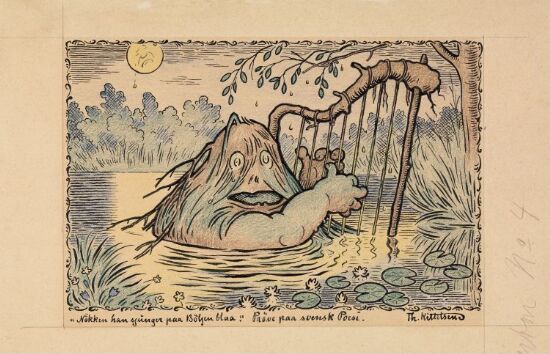
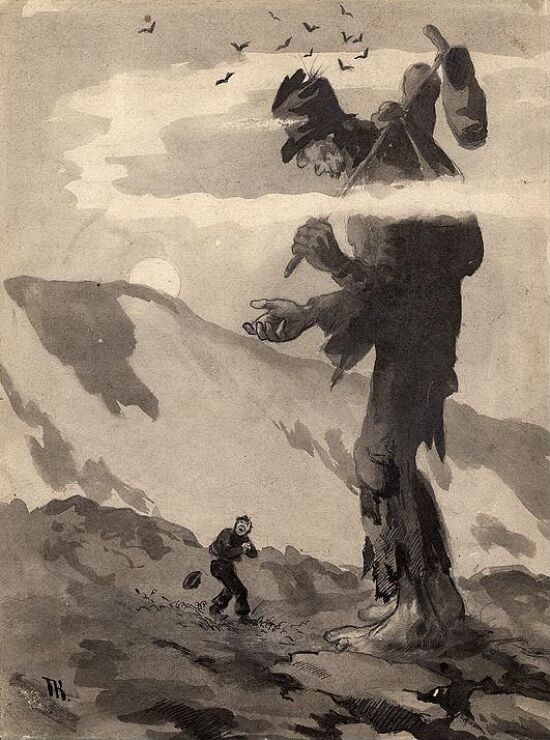
For many a Norwegian child, nothing is more scary than the idea of Nøkken, the water sprite, or Pesta, the bringer of plague. And the artist who shaped their image of those bogeymen more than any other was Theodor Kittelsen (1857–1914).
Text by Matias Helgheim, editor
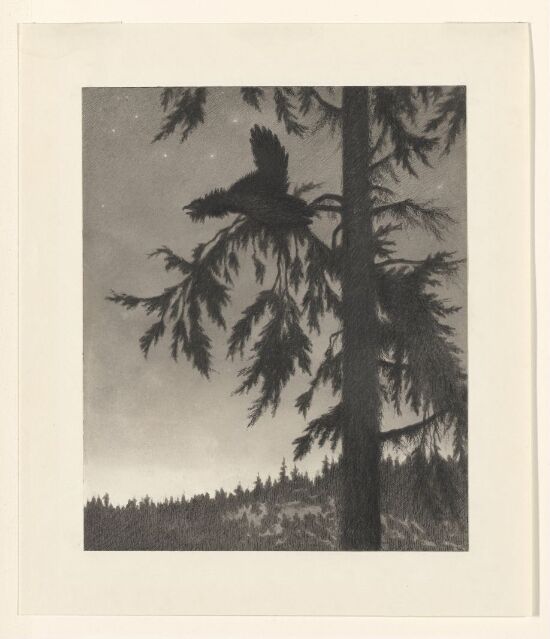
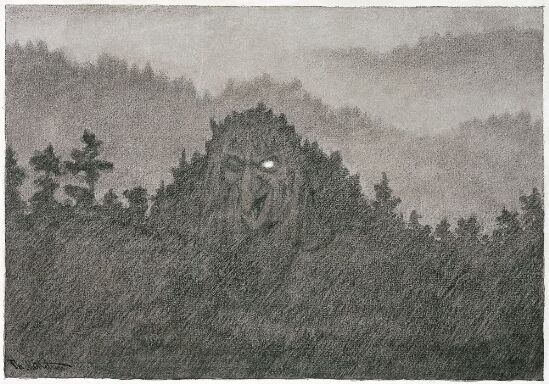
Eyes glowing in the forest tarn. The oddly shaped root of a tree … which might be moving this way! A milkmaid with long blond hair, who lures young men into the bog.
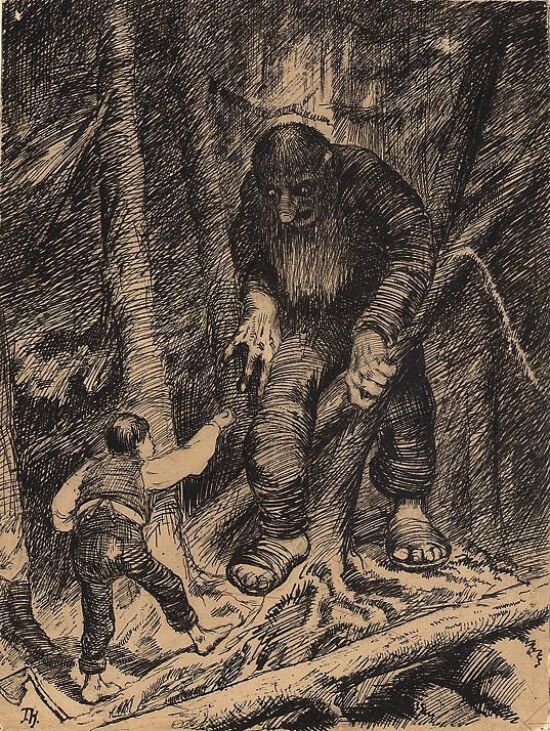
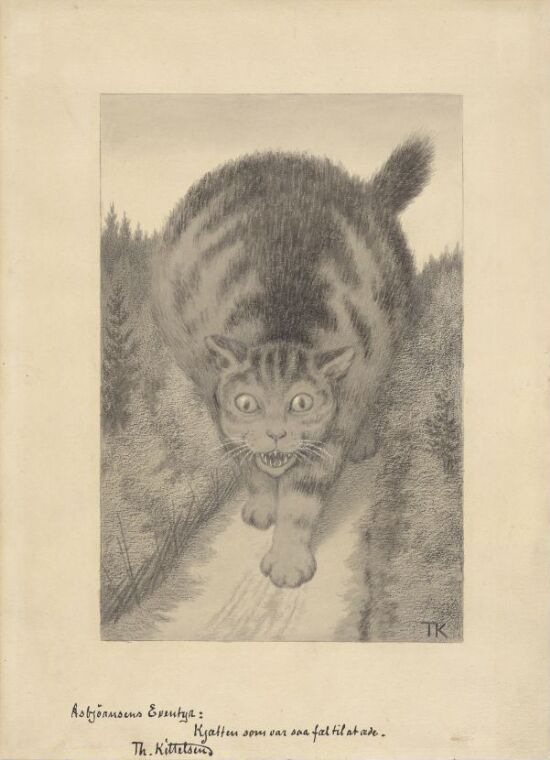
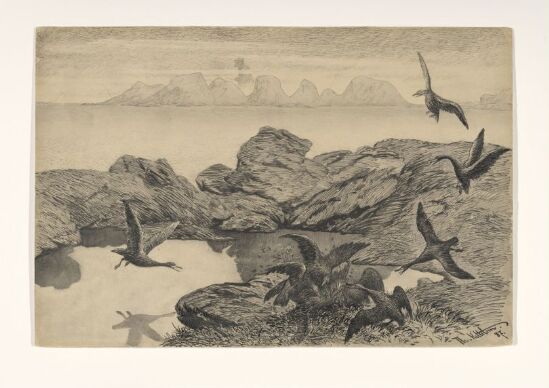
Images that can play on your mind on late summer evenings out in the woods. A fascination with the stranger, more mysterious aspects of nature is characteristic of Theodor Kittelsen’s work and his folktale illustrations. He is a favourite among black-metal musicians and fantasy fans. Kittelsen’s sombre visions still captivate today.
See more of Kittelsen’s creepy creatures in the National Museum’s digital collection
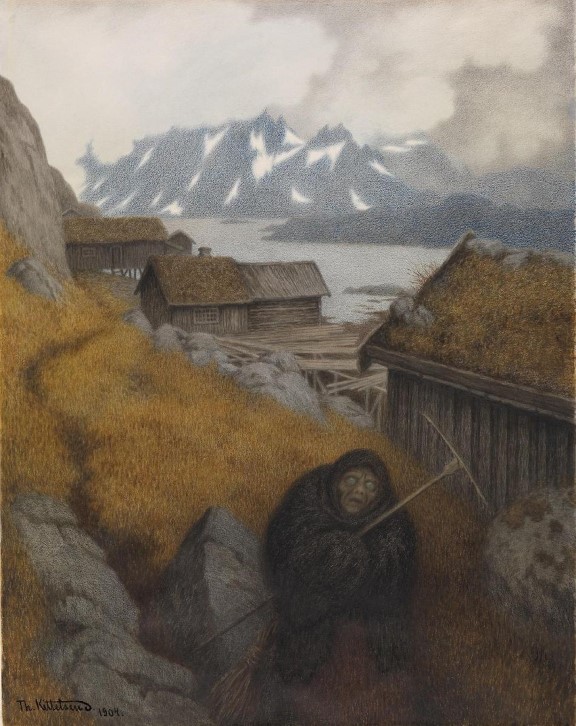
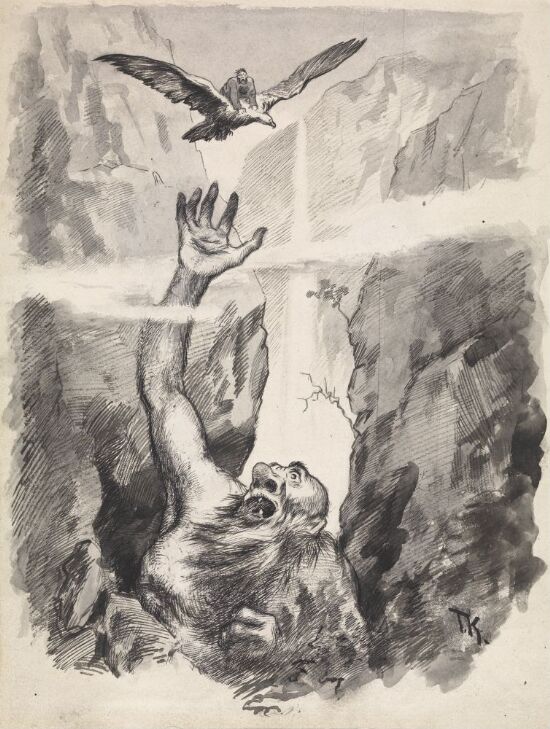
Kittelsen is perhaps best known for his illustrations of Norwegian folk tales and sagas, including Eventyrbog for Børn. Norske Folkeeventyr (Norwegian Fairy Tales for Children) (1883–1887), Udvalgte folkeeventyr (Selected Folk Tales) (1907), and Barne-Eventyr og Nye Barne-Eventyr (Children’s Tales and New Children’s Tales) (1909–1910).
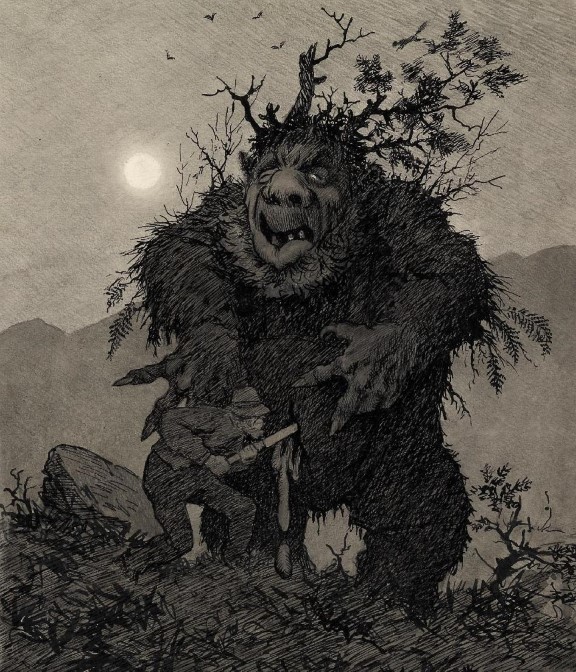
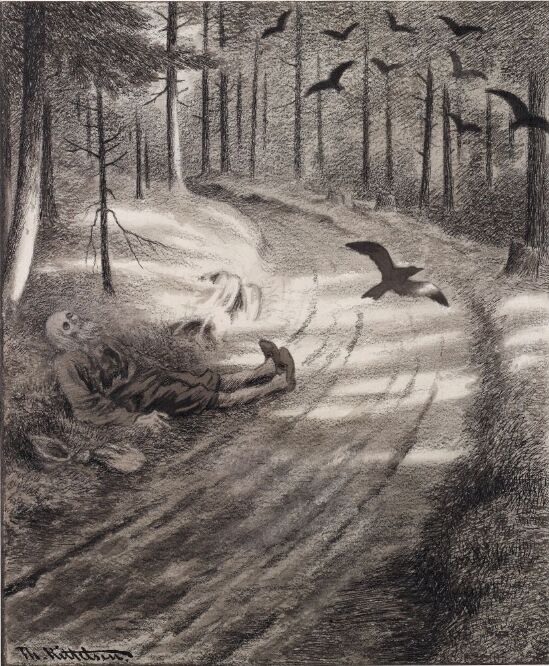
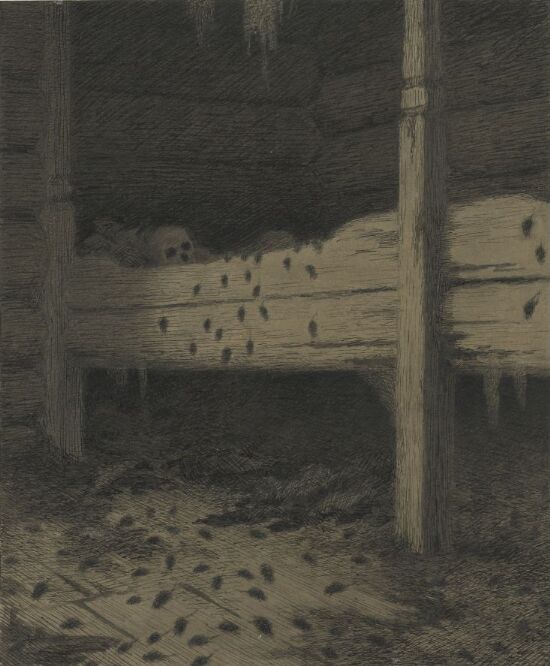
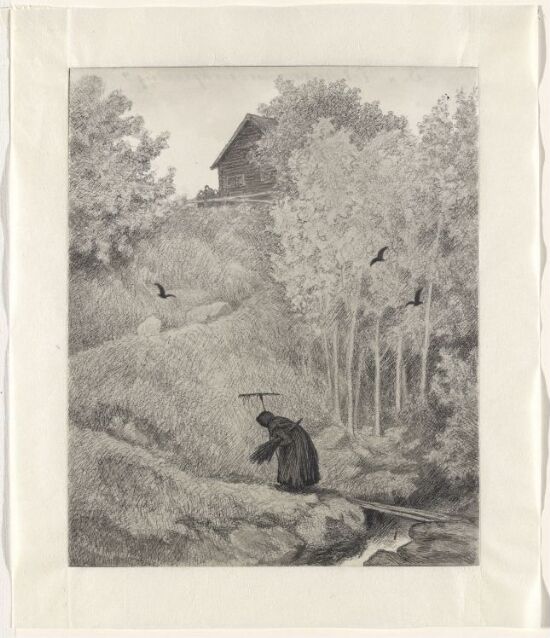
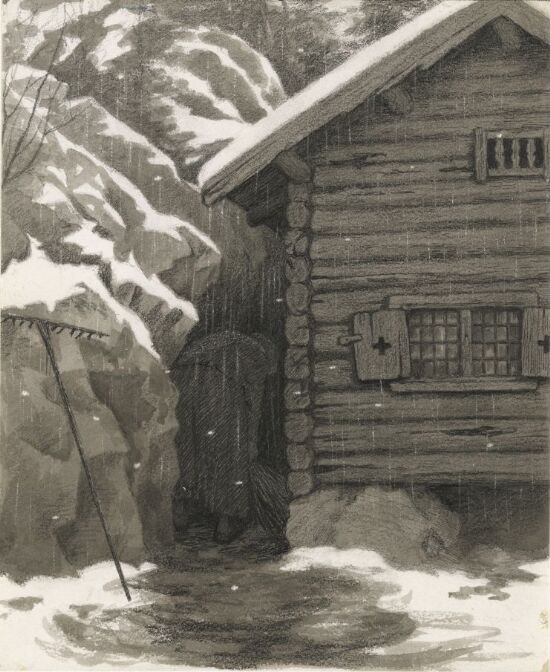
But perhaps even more gruesome are Kittelsen’s illustrations for the book Svartedauen (The Black Death) (1900). Trolls and magical creatures can hardly compare with the old wizened woman who brings death.
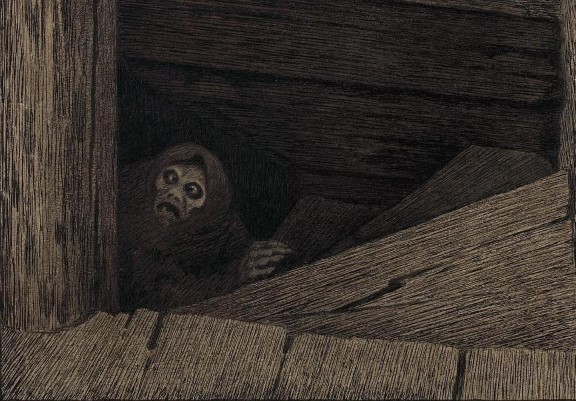
Eyes deep in a death’s head, rolling, twisting,
Squinting and pricking, sharp as needles,
Lighting and seeing in the dark, like a cat.
When Kittelsen wrote and illustrated The Black Death, with its personification of death as Pesta, a ghastly old woman who travelled from farm to farm, he rekindled people’s fear of pandemic. According to legend, if Pesta arrived at a farm carrying a besom, it meant that everyone there would die, but if she came with a rake, some would survive.
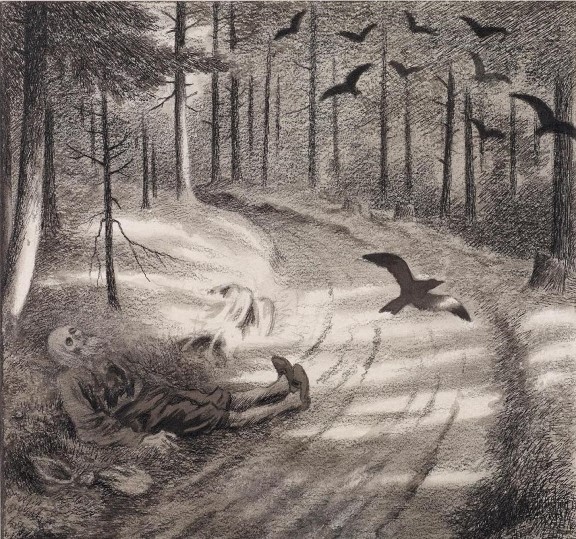
Kittelsen’s illustrations have had a lasting impact. The black-metal band Satyricon is one of several who have used Kittelsen’s work on an album cover. And Kittelsen’s trolls were inspiration for the creatures in the internationally acclaimed Norwegian film Troll Hunter from 2010. “Our trolls are close to Kittelsen’s,” the filmmakers said at the time.
It seems we haven’t seen the back of these bogeymen yet.
Kittelsen-horror in the collection